
The reality of true wellness is often obscured by a fragmented approach to healthcare. For decades, the standard model has compartmentalized the human body, treating individual symptoms in total isolation. If your head hurts, you take a pill for your head. If your knee aches, you brace the knee. While this acute, hyper-focused approach is absolutely vital for emergency medicine and severe trauma, it frequently falls short when addressing chronic conditions, lingering fatigue, and overall vitality. The human body is not a collection of independent mechanical parts; it is an intricately connected, dynamic ecosystem of physical structures, chemical messengers, and emotional responses. When one system is out of balance, the ripple effects are felt throughout the entire organism.
Holistic health is often misunderstood. It is not about dismissing modern science in favor of unproven mysticism or abstract wellness trends. Grounded in biological reality, a true holistic approach means combining evidence-based structural care, internal chemistry management, and mental health strategies to optimize your total bodily function. It is about understanding that your digestion affects your mood, your posture affects your breathing, and your emotional stress physically alters your muscle tension.
This comprehensive guide serves as your roadmap for navigating this interconnected ecosystem. We will explore how to objectively diagnose your physical limitations, release deeply stored bodily tension, balance your internal endocrine systems, and build long-term, resilient strength. By moving away from reactive symptom management and embracing a proactive, whole-body lifestyle, you can reclaim your vitality and build a foundation for sustainable health.
1. Building a Foundation of Functional Movement
Assess Your Baseline Mobility and Flexibility Safely
Before you can begin to improve your physical health, you must establish an honest, objective baseline of your current movement capabilities. Many individuals jump headfirst into rigorous, high-intensity exercise routines without realizing that their underlying movement mechanics are severely compromised. If you lack basic mobility, adding heavy loads or high velocity to your movements will not build strength; it will simply accelerate joint degradation and guarantee a future injury.
To conduct a safe, effective self-audit of your daily movement patterns, focus on the fundamental ranges of motion that dictate human biomechanics. The kinetic chain of the body means that a restriction in one area will force a compensation in another. A stiff ankle will force the knee to absorb rotational forces it wasn’t designed for, and tight hips will inevitably lead to lower back pain.
-
The Overhead Reach Test: Stand with your back flat against a wall, heels touching the baseboard. Keep your lower back pressed firmly into the wall and attempt to raise both arms straight up to touch the wall behind you. If your lower back arches off the wall, or if you feel a sharp pinch in your shoulder, you lack basic thoracic spine and shoulder mobility.
-
The Deep Squat Assessment: Stand with your feet shoulder-width apart and attempt to lower your hips below your knees while keeping your heels flat on the floor and your chest upright. If your heels aggressively lift off the ground, your calves and ankles are severely restricted. If you fall backward, your hips lack the necessary flexion.
-
The Thoracic Rotation Check: Sit on the edge of a chair with your knees together. Place a broomstick or PVC pipe across your shoulders behind your neck. Without moving your knees or hips, twist your torso to the right and then to the left. You should be able to rotate at least 45 degrees in each direction without pain.
While these self-assessments are highly revealing, identifying the root cause of these limitations often requires an expert eye. Consulting with licensed physical therapists provides a scientific, anatomical breakdown of your specific muscular imbalances. These clinical experts can identify whether your inability to squat is due to a structural joint impingement, a shortened muscle belly, or a neurological motor control issue, ensuring that you apply the correct intervention to the correct tissue.
Implement Targeted Stretching and Strengthening Routines
Once you have identified your mechanical restrictions, you must actively reprogram your tissues through consistent, targeted movement. Static stretching—holding a single position for a prolonged period—is useful for cooling down after exertion, but it is not the most effective way to prepare the body for daily life. Instead, you must prioritize dynamic movement that actively takes your joints through their full ranges of motion, signaling your nervous system to relax the surrounding musculature.
Dedicating just fifteen minutes every morning to a dynamic mobility routine can drastically alter how you feel throughout the entire day. Movement is essentially the body’s natural lubricant.
-
The World’s Greatest Stretch: Step forward into a deep lunge. Place both hands on the inside of your front foot. Rotate your torso and reach your inside arm straight up toward the ceiling, following your hand with your eyes. This movement simultaneously opens the hips, mobilizes the thoracic spine, and stretches the hamstrings.
-
Controlled Articular Rotations (CARs): Stand tall and slowly rotate your neck, shoulders, wrists, hips, and ankles in their largest possible circles. Move at a painfully slow pace, fighting for every millimeter of range. This actively forces the joint capsules to secrete synovial fluid, which nourishes the cartilage.
-
Active Hip Hinges: Stand with a slight bend in your knees and push your hips straight backward as if trying to shut a car door with your glutes. Keep your back perfectly flat until you feel a deep stretch in your hamstrings, then squeeze your glutes to stand back up. This reinforces the most important lifting mechanic in the human body.
When combined with adequate daily hydration and a diet rich in omega-3 fatty acids, this consistent movement acts as a powerful, natural mechanism for joint pain relief, allowing you to sustainably manage systemic inflammation without relying exclusively on over-the-counter pharmaceuticals that can degrade your stomach lining over time.
2. Realigning the Body’s Structural Integrity

Evaluate Your Spinal Posture During Daily Tasks
The human spine is a marvel of biological engineering, designed to support the weight of the skull, protect the delicate spinal cord, and serve as the central axis for all physical movement. However, the modern lifestyle is fundamentally opposed to spinal health. We spend hours collapsed over keyboards, hunched over steering wheels, and craning our necks downward to look at glowing screens. Over time, this chronic postural neglect physically remodels the tissues of the body. Muscles in the chest become short and tight, muscles in the upper back become overstretched and weak, and the natural, shock-absorbing curves of the spine are flattened.
To combat this silent degradation, you must become hyper-aware of how you position yourself in space throughout the day.
-
Set Environmental Triggers: Do not rely on willpower to maintain good posture. Set an hourly alarm on your phone, or use a visual trigger like taking a sip of water, to initiate a postural reset.
-
Optimize Your Workspace: Your computer monitor must be positioned exactly at eye level. If you have to tilt your chin down even slightly, the relative weight of your head increases exponentially, placing massive shear force on your cervical vertebrae.
-
Ground Your Lower Half: When sitting, your feet must be completely flat on the floor, and your knees should be at a 90-degree angle. If your feet are dangling, your pelvis will tuck underneath you, immediately collapsing your lumbar spine.
Addressing the muscular components of posture is vital, but sometimes the skeletal structures themselves have lost their proper alignment due to trauma or years of repetitive strain. Understanding the mechanics behind chiropractic care is essential here. By applying highly specific, controlled force to restricted joints, these interventions aim to correct spinal subluxations—areas where the vertebrae have lost their normal motion. This mechanical correction not only restores local mobility but can significantly improve the communication pathways of the central nervous system.
Address Underlying Nerve Compression Early
When structural alignment fails, the consequences often extend far beyond simple muscular aches. The spine houses the central nervous system, with intricate nerve roots exiting through small bony canals between each vertebra. When a disc herniates, a joint becomes inflamed, or a muscle goes into severe spasm, these delicate nerve roots can become compressed. Ignoring the early warning signs of nerve impingement is a dangerous gamble that can lead to permanent motor control loss or chronic neuropathy.
-
Document Neurological Symptoms: Muscular pain is typically described as a dull, localized ache. Nerve pain, however, is radically different. If you experience sharp, shooting pain that travels down your arm or leg, localized numbness, or a sensation of “pins and needles,” you are dealing with nerve compression.
-
Track Your Triggers: Keep a detailed log of exactly what movements or times of day exacerbate the numbness. Does sitting in your car make your leg go numb, while walking relieves it? This specific mechanical data is vital for an accurate diagnosis.
-
Avoid Aggravating Postures: If bending forward sends a shooting pain down your leg, you must temporarily avoid all forward flexion until the inflammation subsides.
For many individuals suffering from acute radiculopathy or chronic postural syndromes, utilizing targeted chiropractic services can provide profound relief. By expertly manipulating the spinal segments and utilizing techniques such as spinal decompression or flexion-distraction, professionals can physically alleviate the mechanical pressure on the sciatic nerve or cervical nerve roots, restoring proper biomechanical alignment and allowing the irritated neural tissues to finally heal.
3. Releasing Physical and Emotional Tension
Process Stored Trauma Through Guided Movement
The mind and the body are not separate entities; they are a continuous, feedback-looping system. When you experience chronic stress, severe anxiety, or psychological trauma, your body does not just passively observe these events. Your autonomic nervous system shifts into a sympathetic “fight or flight” state. Your heart rate elevates, your breathing becomes shallow, and your muscles reflexively brace for impact. If this psychological stress is never resolved, that physical bracing becomes a permanent state of muscular rigidity. You literally store your emotional stress in your physical tissues.
To truly optimize your health, you must learn to actively downregulate your nervous system and release this trapped kinetic energy.
-
Diaphragmatic Breathing: When you are stressed, you breathe shallowly into your upper chest, which signals panic to your brain. To reverse this, lie flat on your back, place a hand on your stomach, and breathe deeply through your nose. Your stomach should rise and fall, while your chest remains perfectly still. This physically stimulates the vagus nerve, forcing the body into a parasympathetic “rest and digest” state.
-
Progressive Muscle Relaxation: Starting at your toes and working up to your face, intentionally flex a specific muscle group as hard as you can for five seconds, then instantly release the tension. This creates a stark neurological contrast, teaching your brain what true relaxation feels like.
-
Grounding and Centering: Spend ten minutes a day sitting in silence, focusing purely on the physical sensation of gravity pulling you into the floor.
For individuals who find that their physical pain is inextricably linked to past emotional distress or chronic anxiety, exploring somatic therapy services can be life-changing. These modalities operate on the scientific principle that trauma is held within the body’s fascial network and nervous system. By utilizing guided, mindful movement, breathwork, and physical sensation tracking, individuals can safely process and physically release the deep-seated emotional blockages that manifest as chronic pain, digestive issues, and muscular armor.
Schedule Routine Soft Tissue Maintenance
Even if your emotional health is perfectly balanced, the sheer physical friction of daily life—whether that is intense athletic training or sitting in a desk chair for fifty hours a week—causes micro-trauma to your muscular system. As these microscopic tears heal, the body lays down disorganized collagen, creating dense, sticky adhesions in the fascia (the connective tissue that wraps around every muscle). These adhesions restrict blood flow, limit your range of motion, and create painful trigger points.
-
Implement Daily Self-Myofascial Release: You must take ownership of your daily tissue quality. Utilize a high-density foam roller or a dense lacrosse ball to slowly compress your IT bands, calves, glutes, and upper back for ten minutes every evening. When you find a tender spot, hold the pressure and breathe deeply until the tissue yields.
-
Hydrate the Tissues: Fascia requires abundant water to remain pliable and sliding smoothly. If you are chronically dehydrated, your connective tissues will literally become glued together, making any physical movement feel incredibly stiff and labored.
-
Prioritize Recovery: Recognize that taking a day completely off to stretch and recover is just as important as the days you spend pushing your physical limits.
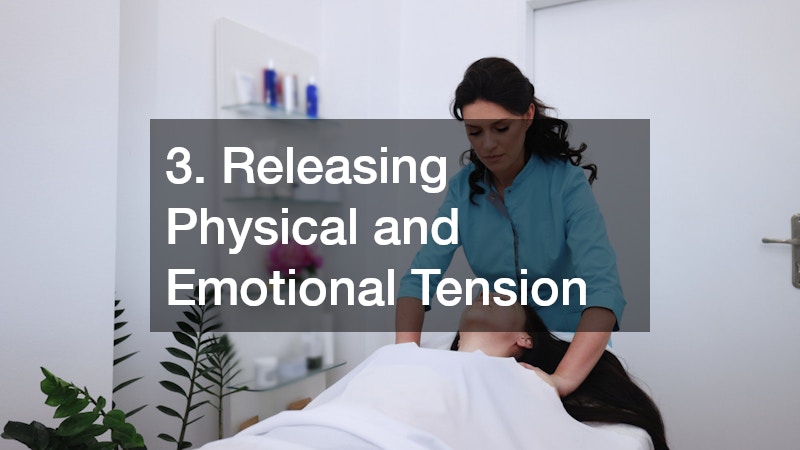
While self-care is vital, the human hands are unmatched in their ability to detect and resolve deep muscular dysfunction. Partnering with licensed massage therapists should not be viewed as a luxury spa treatment, but rather as an essential component of preventative healthcare. These professionals understand the complex anatomy of the muscular system and utilize specific, deep-tissue friction techniques to physically break down stubborn scar tissue, manually flush stagnant metabolic waste (like lactic acid) out of the muscle bellies, and drastically accelerate cellular recovery.
4. Optimizing Internal Chemistry and Daily Life Skills

Track Your Energy and Mood Fluctuations
You can have perfect posture and impeccable mobility, but if your internal chemistry is chaotic, you will feel awful. The endocrine system—the complex network of glands that produce and regulate your hormones—dictates nearly every aspect of your daily experience. Hormones control your metabolism, your sleep cycles, your libido, your bone density, and your psychological resilience. When this delicate chemical orchestra falls out of tune due to aging, chronic stress, or nutritional deficiencies, the symptoms are systemic and often debilitating.
Because hormone fluctuations are invisible, you must rely on meticulous data collection to identify potential imbalances before they severely degrade your quality of life.
-
Audit Your Sleep Architecture: Do you struggle to fall asleep, or do you wake up reliably at 3:00 AM unable to go back to bed? Chronic waking in the middle of the night is often a sign of dysregulated cortisol (your primary stress hormone) spiking at the wrong time.
-
Monitor Energy Crashes: If you experience a profound, uncontrollable crash in energy every afternoon at 2:00 PM, you may be dealing with insulin resistance or thyroid dysfunction, not just a lack of caffeine.
-
Log Unexplained Changes: Keep a detailed, 30-day journal documenting sudden changes in your body composition, extreme mood swings, brain fog, or a sudden loss of muscle mass despite maintaining your regular diet and exercise routine.
If your systemic data points toward a severe chemical imbalance, you must seek clinical evaluation. A comprehensive blood panel can reveal exactly where your endocrine system is failing. For individuals facing clinical deficiencies or severe age-related decline, consulting an endocrinologist about hormone replacement therapy can be a transformative intervention. When administered under strict, expert medical supervision, rebalancing testosterone, estrogen, or thyroid levels can drastically improve bone mineral density, clear away crushing cognitive fatigue, and restore the emotional stability necessary to engage fully in life.
Adapt Your Environment to Support Daily Functions
True wellness also encompasses your ability to navigate your daily physical environment without unnecessary friction or pain. Many people suffer simply because their environment is actively working against their physical capabilities. If you are recovering from a surgery, managing an autoimmune flare-up, or simply dealing with the realities of an aging body, you should not have to fight your house or your workplace just to accomplish basic tasks.
-
Conduct an Ergonomic Home Audit: Walk through your living space and identify friction points. Are the heaviest pots and pans stored on the lowest shelf, forcing you to bend aggressively to retrieve them? Move them to waist level.
-
Optimize Your Rest: Ensure your mattress provides adequate support for your specific sleeping position. Side sleepers require softer mattresses to accommodate shoulder drop, while back sleepers require firmer support for the lumbar spine.
-
Automate to Conserve Energy: If standing for long periods to chop vegetables causes severe joint pain, buy pre-chopped food or invest in a high-quality food processor. Conserve your physical energy for the things that actually matter to you.
When an individual’s physical limitations severely impede their ability to perform the basic activities of daily living—such as dressing, cooking, or bathing—professional intervention is incredibly valuable. Utilizing the expertise of occupational therapy can help individuals fundamentally redesign their daily environments and routines. These specialists assess your specific physical challenges and prescribe adaptive equipment, ergonomic modifications, and energy-conservation strategies, allowing you to maintain your independence, reduce daily physical friction, and navigate your world safely.
5. Cultivating Long-Term Cardiovascular and Muscular Strength
Establish a Consistent Resistance Training Schedule
All the mobility work and chemical balancing in the world will only take you so far if your physical vessel is weak. Sarcopenia—the age-related loss of skeletal muscle mass and strength—is one of the primary drivers of physical decline, metabolic disease, and loss of independence. Muscle is not just for aesthetics; it is a highly active endocrine organ that regulates blood sugar, protects your joints from impact, and serves as your body’s armor against the physical insults of daily life.
To build a resilient body, you must subject it to progressive, mechanical tension. Walking and gardening are wonderful for your health, but they do not provide the stimulus necessary to grow stronger.
-
Prioritize Compound Movements: Do not waste your time with complex, isolated balancing acts on unstable surfaces. Commit to mastering the basic, multi-joint movements: the squat, the deadlift, the horizontal press (push-ups or bench press), the vertical press (overhead pressing), and the horizontal pull (rows). These movements recruit the most muscle mass and yield the highest return on investment.
-
Apply Progressive Overload: The body will only adapt to a stress it is not accustomed to. You must continuously, incrementally increase the challenge. This means adding a small amount of weight to the bar, performing one more repetition, or slowing down the tempo of the exercise every single week.
-
Value Rest as Highly as Work: Muscle is not built while you are lifting; it is built while you are sleeping and recovering. Ensure you have at least 48 hours of rest between training the same heavy muscle groups.
Navigating the mechanics of heavy lifting can be intimidating and dangerous if done incorrectly. Emphasize the value of hiring certified fitness trainers, especially during the first few months of a new regimen. A qualified expert will teach you the nuances of proper biomechanical form, ensure that you are bracing your core correctly to protect your spine, and program your progressive loads logically so that you avoid structural injuries and frustrating plateaus.
Diversify Your Aerobic Conditioning
While resistance training builds the armor, cardiovascular conditioning builds the engine. The human heart is a muscle that must be trained, and the vascular system must be forced to adapt to efficiently deliver oxygen and clear metabolic waste. However, mindlessly jogging on a treadmill for an hour every day is not the most efficient way to build total cardiovascular health. You must challenge the different energy systems of the body to build true, holistic endurance.
-
Build the Aerobic Base (Zone 2): Spend 80% of your cardiovascular training time performing low-intensity, steady-state work. This means brisk walking, cycling, or swimming at a pace where you can comfortably hold a conversation without gasping for air. This builds cellular mitochondria and trains the body to burn fat for fuel.
-
Challenge Your VO2 Max: Spend the remaining 20% of your time performing short, brutal bursts of high-intensity interval training (HIIT). Sprint up a hill for thirty seconds, then walk down and repeat. This forces the heart to adapt to maximum output and vastly improves your overall cardiovascular ceiling.
-
Incorporate Play and Agility: Do not let your conditioning become purely linear. Play a sport like tennis or basketball, or engage in martial arts. This trains your brain, your reaction time, and your lateral agility, keeping you sharp and athletic.
Finding the right environment to execute this programming is crucial for your long-term adherence. Take the time to tour and choose a well-equipped local gym that aligns with your specific goals. Look beyond the flashy marketing; focus on the cleanliness of the facility, the variety of free weights and aerobic machines available during peak hours, and the overall community atmosphere. A supportive, professional environment drastically increases the likelihood that you will consistently show up and do the hard work required to change your life.
Conclusion
True wellness is not a static destination you reach and subsequently ignore; it is an ongoing, daily practice of active management. By understanding that your physical structure, your internal biochemistry, and your emotional resilience are deeply, inextricably linked, you equip yourself with the knowledge to make profound changes. A symptom in one area of your life is almost always an echo of a dysfunction in another. Masking the pain with a temporary fix will never yield the vibrant, robust health you are capable of achieving.
Patience is perhaps the most vital component of this journey. It took years, perhaps decades, for your body to adapt to poor posture, chronic stress, and systemic imbalances. It will require consistent, deliberate time to reverse those adaptations and build a stronger, more resilient framework. Do not become overwhelmed by the sheer volume of changes available to you. Pick one actionable step—whether that is drinking more water to hydrate your fascia, tracking your afternoon energy levels, or scheduling a baseline movement assessment—and execute it flawlessly. By slowly stacking these holistic practices, you will fundamentally transform the way you move, feel, and experience your life.
