
A successful commercial space does far more than provide four walls and a roof. It shapes customer perception, influences employee productivity, supports daily operations, and directly affects long-term profitability. Whether you are constructing a new facility, renovating an existing one, or expanding to meet growth demands, every decision you make will have ripple effects for years to come.
Building and maintaining a high-performing commercial property requires careful planning, the right partnerships, strategic material choices, and a proactive maintenance mindset. The most successful business owners understand that construction is only the beginning. Ongoing upkeep, smart upgrades, and preventive care preserve value and minimize costly disruptions.
The following in-depth guide walks through actionable strategies to help you build smarter, protect your investment, and maintain a professional, efficient commercial space over the long term.
Start With a Clear Vision and Growth-Focused Plan
A commercial space should support not only your current operations but also your future goals. Before construction begins, define what success looks like five or even ten years down the road.
When working with a commercial builder, communicate clearly about:
- Projected staff growth
- Anticipated equipment upgrades
- Expansion possibilities
- Storage and inventory needs
- Customer traffic expectations
Design flexibility into your layout from the start. Consider modular office partitions, open floor plans, or scalable utility systems that can grow alongside your business.
Additional planning considerations:
- Create separate zones for public, operational, and restricted areas.
- Allow for adequate electrical and data infrastructure.
- Ensure ADA compliance and accessibility.
- Design efficient workflow paths that reduce bottlenecks.
A forward-thinking commercial builder will help you evaluate these factors early so your space doesn’t become outdated as your business expands.
Build a Strong Project Management Foundation
The quality of your construction process determines the stability of everything that follows. Selecting a reliable commercial general contractor is one of the most important decisions you will make.
A reputable commercial general contractor should provide:
- Detailed written contracts
- Transparent budgeting
- Defined project milestones
- Clear communication channels
- Licensed and insured subcontractors
To keep your project on track:
- Schedule weekly progress updates.
- Review timelines regularly.
- Document all change orders.
- Maintain a contingency budget for unexpected issues.
Establish accountability from day one. Define who is responsible for inspections, permit acquisition, and safety compliance. A well-managed construction phase reduces costly rework and sets the tone for long-term building performance.
Protect Your Exterior From Day One
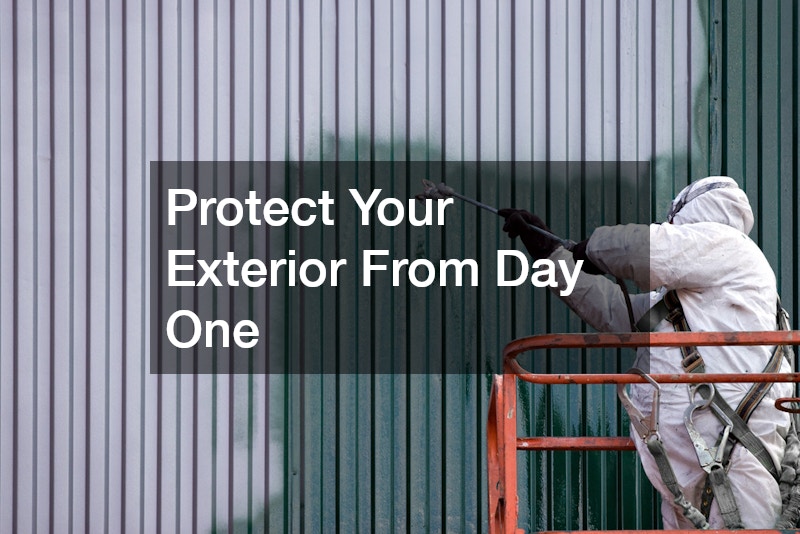
Your building’s exterior is its first line of defense against weather, wear, and security threats. It absorbs the impact of wind, rain, snow, temperature fluctuations, and daily environmental exposure long before those elements can affect interior systems. Investing in durable materials early reduces future repair costs and minimizes operational disruptions caused by preventable damage. A well-protected exterior also reinforces your brand image, signaling professionalism and attention to detail to customers, tenants, and employees.
Professional commercial siding services can help you select materials that deliver long-term performance tailored to your climate, building use, and maintenance goals. Not all siding products perform equally well in every environment, so strategic choice is critical. The right materials should provide:
- Moisture resistance: This is essential for preventing water infiltration, which can lead to rot, mold growth, and structural weakening. High-quality siding systems include weather barriers and proper flashing to direct water away from vulnerable areas.
- UV protection: Constant sun exposure can fade finishes and degrade lower-grade materials. UV-resistant siding maintains its color and structural integrity longer, preserving your building’s appearance and reducing the need for repainting or replacement.
- Insulation efficiency: Insulated siding systems can improve thermal performance, helping regulate indoor temperatures and reduce heating and cooling costs. Even small improvements in insulation can significantly lower long-term utility expenses in large commercial buildings.
- Low maintenance requirements: Materials that resist cracking, peeling, and warping require fewer repairs and less frequent cleaning. This reduces labor costs and allows facility managers to focus on other priorities.
Proper installation ensures panels are sealed correctly, preventing water intrusion and mold growth. Even the highest-quality materials can fail if seams, corners, and penetrations are not properly secured. Attention to detail during installation includes:
- Correct flashing around windows and doors
- Secure fastening to accommodate expansion and contraction
- Sealed joints to prevent moisture entry
- Proper alignment to avoid stress points
Security and property boundaries are equally important components of exterior protection. A well-designed perimeter discourages trespassing, protects equipment, and controls traffic flow. Partnering with a local commercial fence builder can help you design a fencing solution that supports both safety and aesthetics. This collaboration can help you:
- Improve perimeter security: Strategically placed fencing deters unauthorized access and can be integrated with gates, surveillance systems, or controlled entry points.
- Control vehicle and pedestrian access: Defined entry and exit points help manage deliveries, customer traffic, and employee access while reducing liability risks.
- Enhance privacy: Fencing can shield loading areas, storage yards, or outdoor workspaces from public view, protecting sensitive operations.
- Meet zoning regulations: Local codes often dictate fence height, materials, and placement. Working with a local commercial fence builder ensures compliance and avoids costly violations.
Once exterior systems are in place, consistent monitoring is key. Schedule exterior inspections at least twice a year—typically in the spring and fall—to identify developing issues before they escalate. Inspections should check for:
- Cracks or warping: These may indicate structural stress, moisture damage, or improper installation.
- Loose panels: High winds and temperature changes can loosen fasteners, creating entry points for water.
- Fence instability: Shifting soil, impact damage, or corrosion can weaken fence posts and compromise security.
- Rust or corrosion: Metal components exposed to moisture can deteriorate over time, especially around fasteners and joints.
In addition to biannual inspections, perform visual checks after severe storms or extreme weather events. Early detection allows for inexpensive repairs rather than full replacements. Addressing minor issues promptly prevents significant structural damage later and helps maintain the safety and visual appeal of your commercial property.
Prioritize Professional Interior Finishes That Last
Interior finishes take daily wear and tear, especially in high-traffic commercial settings. Choosing durable materials can significantly reduce maintenance expenses.
When hiring a painting company, look for experience with commercial environments. Commercial spaces require:
- High-durability coatings
- Low-VOC paints for indoor air quality
- Moisture-resistant finishes in restrooms and kitchens
- Washable surfaces in high-touch areas
A qualified painting company will also offer:
- Surface preparation and priming
- Flexible scheduling to minimize disruption
- Clear timelines for completion
Consider creating a repaint cycle based on usage:
- Retail spaces: every 3–5 years
- Office environments: every 5–7 years
- Industrial areas: as needed, based on exposure
Routine touch-ups maintain a clean, professional appearance and protect walls from long-term deterioration.
Design Plumbing Systems That Support Efficiency
Plumbing infrastructure is often overlooked until a problem arises. Designing systems with capacity and longevity in mind prevents costly downtime.
Experienced commercial plumbers understand:
- Code compliance requirements
- High-volume restroom demands
- Breakroom and kitchen water usage
- Drainage needs for industrial operations
During construction, ensure:
- Pipe sizing supports peak demand.
- Backflow prevention devices are installed.
- Shut-off valves are easily accessible.
- Floor drains are properly placed.
Ongoing preventative maintenance with qualified commercial plumbers should include:
- Routine drain inspections
- Leak detection checks
- Water pressure testing
- Inspection of water heaters and sump systems
Water damage is one of the most expensive commercial repair issues. Preventive care saves substantial money over time.
Ensure Structural Components Are Built to Last

Behind the walls and ceilings, structural systems quietly determine your building’s efficiency and durability.
High-quality commercial sheet metal fabrication plays a critical role in:
- HVAC ductwork efficiency
- Flashing and moisture barriers
- Custom roofing components
- Drainage systems
Precision fabrication ensures:
- Improved airflow
- Energy efficiency
- Reduced condensation
- Longer system lifespan
Schedule periodic inspections of metal components to check for:
- Rust
- Loose fasteners
- Air leaks
- Seal failures
Proactive maintenance of structural components prevents energy loss and expensive repairs.
Make First Impressions Count With a Strong Storefront
Your entrance is often the first physical interaction customers have with your business. Before a word is spoken or a service is delivered, visitors are already forming opinions based on what they see and experience at the door. Clean, functional glass and entry systems project professionalism and safety, while damaged or poorly maintained storefronts can create hesitation and doubt.
A strong storefront does more than look appealing. It supports energy efficiency, protects against weather intrusion, improves security, and ensures accessibility compliance. Because of its constant exposure to foot traffic and the elements, this area requires consistent attention and preventative care.
Regular storefront glass service should include:
- Seal inspections: Over time, seals around glass panels can degrade due to weather exposure and temperature fluctuations. Worn seals may allow air and moisture infiltration, leading to drafts, fogging between panes, and increased energy costs. Routine inspections ensure seals remain intact and watertight.
- Frame alignment checks: Doors and glass panels must remain properly aligned to function smoothly and safely. Misalignment can cause sticking doors, uneven wear, or stress fractures in the glass. Checking frames periodically prevents operational issues and extends the life of the system.
- Hardware lubrication: Handles, hinges, closers, and locking mechanisms endure frequent use. Without lubrication and adjustment, these components can wear prematurely or fail entirely. Regular servicing keeps doors opening and closing smoothly while maintaining secure locking systems.
- Glass surface cleaning: Professional cleaning removes buildup from dirt, hard water stains, and environmental pollutants. Beyond appearance, clean glass allows more natural light to enter, creating a brighter and more welcoming environment for customers and staff.
Upgrading to energy-efficient glazing can significantly improve overall building performance. Modern glass systems are designed to balance visibility with insulation, offering measurable financial and comfort benefits. Energy-efficient glazing can:
- Reduce heating and cooling costs: Insulated glass units help stabilize indoor temperatures by minimizing heat transfer. This reduces strain on HVAC systems and lowers utility expenses.
- Minimize UV damage to interiors: Ultraviolet rays can fade flooring, furniture, and merchandise over time. Protective coatings built into advanced glazing reduce this exposure, preserving interior finishes and inventory.
- Improve insulation: Enhanced glazing systems reduce drafts and condensation, improving occupant comfort near entrances and display windows.
Additionally, consider:
- Installing safety glass: Tempered or laminated glass improves impact resistance and reduces the risk of injury in the event of breakage. This is particularly important in high-traffic retail or public-facing spaces.
- Adding security film: Security film reinforces glass panels, making them more resistant to shattering. This added layer of protection can deter break-ins and minimize damage during severe weather events.
- Ensuring automatic doors function properly: Automatic entry systems must operate smoothly and safely. Regular calibration ensures sensors detect movement accurately and doors open and close at appropriate speeds. Malfunctioning doors can create accessibility issues or safety hazards, so preventative maintenance is essential.
Routine evaluations of your entrance should also include checking weatherstripping, inspecting thresholds for wear, and ensuring ADA-compliance features remain functional. After major storms or temperature extremes, conduct additional visual inspections to identify cracks, chips, or shifting frames.
A well-maintained entrance not only enhances curb appeal but also reduces liability risks. Safe, properly functioning glass and doors decrease the chance of injury, improve energy efficiency, and reinforce the professionalism your business strives to project. Consistent maintenance ensures your storefront remains an asset rather than a vulnerability.
Maintain a Clean and Healthy Environment
Cleanliness directly impacts employee productivity, customer perception, and health standards. Establishing a reliable janitorial service is essential.
A professional janitorial service can provide:
- Daily trash removal
- Restroom sanitation
- Floor cleaning and polishing
- Window cleaning
- High-touch surface disinfection
Develop a structured cleaning plan:
- Daily tasks for public areas
- Weekly deep cleaning
- Monthly maintenance for carpets and vents
- Seasonal disinfection protocols
Beyond surface cleaning, consider:
- Air duct cleaning
- Deep carpet extraction
- Tile and grout restoration
A consistently clean environment reflects professionalism and reduces illness-related absenteeism.
Plan Efficient Transitions and Expansions
Growth often requires relocation or expansion. Careful planning prevents downtime and operational chaos.
Experienced commercial movers specialize in:
- Office furniture disassembly and reassembly
- Equipment transport
- Secure handling of sensitive materials
- Organized labeling systems
To minimize disruption:
- Create a detailed moving timeline.
- Assign move coordinators for each department.
- Communicate clearly with staff.
- Test IT systems before reopening.
Use relocation as an opportunity to:
- Reevaluate workflow
- Upgrade outdated furniture
- Improve storage systems
- Enhance layout efficiency
Professional commercial movers reduce risk and ensure a smooth transition.
Create a Long-Term Preventive Maintenance Strategy
Construction completion is not the end of your building journey. Preventive maintenance protects your investment for decades.
Maintain relationships with your original commercial builder and commercial general contractor. They understand:
- The building’s structural history
- Material specifications
- Installation methods
- Potential weak points
Develop a maintenance calendar that includes:
- Annual structural inspections
- Roof assessments
- HVAC servicing
- Exterior sealing checks
- Plumbing evaluations
Budget annually for:
- Capital improvements
- Emergency repairs
- Technology upgrades
- Cosmetic refreshes
Preventive planning reduces emergency costs and extends your building’s lifespan.
Monitor Energy Efficiency and Operational Costs
Operational efficiency has a direct impact on profitability. Energy audits help identify opportunities to reduce waste.
Consider:
- Upgrading to LED lighting
- Installing programmable thermostats
- Implementing smart building controls
- Adding insulation where needed
Track utility usage monthly and look for irregular patterns. Addressing inefficiencies early prevents inflated operating expenses.
Other energy-saving strategies:
- Seal air leaks around doors and windows.
- Maintain HVAC filters regularly.
- Install occupancy sensors.
- Explore renewable energy options if feasible.
Efficiency improvements often pay for themselves within a few years.
Develop a Proactive Safety and Compliance Plan

Safety is not optional in a commercial environment. Ongoing compliance protects both employees and customers.
Implement regular safety inspections covering:
- Fire alarms and sprinklers
- Emergency exits
- Electrical panels
- Slip-resistant flooring
- Handrails and stairways
Maintain up-to-date documentation for:
- OSHA compliance
- ADA accessibility
- Local building codes
- Fire department inspections
Conduct employee training sessions on:
- Emergency evacuation procedures
- Equipment handling
- Hazard reporting
A proactive approach to safety minimizes liability and fosters a culture of responsibility.
Conclusion
Building and maintaining a successful commercial space requires strategic thinking, strong partnerships, and consistent attention to detail. From careful planning during construction to ongoing maintenance and upgrades, every decision contributes to the long-term performance of your property.
By prioritizing durability, efficiency, safety, and preventative care, business owners can protect their investment while creating an environment that supports growth and professionalism. A commercial space should never be treated as a one-time project. With the right approach, it becomes a long-term asset that continues to deliver value year after year.
