
Metal recycling is a critical pillar of modern industrial sustainability and environmental stewardship. Unlike many other materials, metals can be recycled repeatedly without degrading their fundamental chemical or physical properties. From aluminum beverage cans and steel food tins to structural beams and copper wiring, reprocessing scrap metal conserves valuable natural resources, dramatically reduces energy consumption, and prevents massive amounts of waste from entering landfills. Understanding how metal makes the journey from discarded scrap to high-purity raw material clarifies why the recycling infrastructure is essential to the global economy.
Collection and Sorting: The Initial Sorting Phase
The metal recycling process begins with collection from two primary streams: prompt scrap and obsolete scrap. Prompt scrap consists of industrial waste generated during manufacturing processes, such as metal turnings, stampings, and trimmings.
Obsolete scrap comes from end-of-life consumer and commercial products, including junked automobiles, old appliances, demolition debris, and discarded household items.
Once collected, the material enters the sorting phase, which is one of the most critical steps in the entire pipeline. Scrap must be categorized into two main groups: ferrous metals, which contain iron and are magnetic, and non-ferrous metals, which do not contain iron and are non-magnetic.
Automated sorting facilities use large industrial magnets and magnetic drums to rapidly separate heavy steel and iron from mixed scrap loads. Non-ferrous metals—such as aluminum, copper, brass, and stainless steel—are sorted using advanced technologies like eddy current separators, which use magnetic fields to induce repulsive forces in non-ferrous items, bouncing them away from the main conveyor stream. X-ray transmission sensors and optical sorters are also utilized to identify specific metal alloys based on density and color.
Processing and Size Reduction
After sorting, the segregated metals undergo processing to prepare them for melting. High-density scrap takes up significant volume during transportation and requires immense energy to melt if left in large, solid chunks. Therefore, processing facilities focus on size reduction and compaction.
Large industrial shredders featuring massive rotating hammers break down bulky items, such as whole car bodies and large appliances, into small, uniform pieces. Shredding increases the surface-area-to-volume ratio of the metal, allowing it to melt much faster and more efficiently in industrial furnaces.
Lighter scrap materials, such as aluminum cans or thin sheet metal, are fed into hydraulic balers. These machines compress loose metal into dense, stackable blocks or bales. Compacting the material makes handling, storage, and transport to smelting facilities significantly easier and more cost-effective. Utilizing professional metal recycling services ensures that scrap is properly sorted, shredded, and baled according to strict industrial standards before reaching the foundry.
Melting and Purification
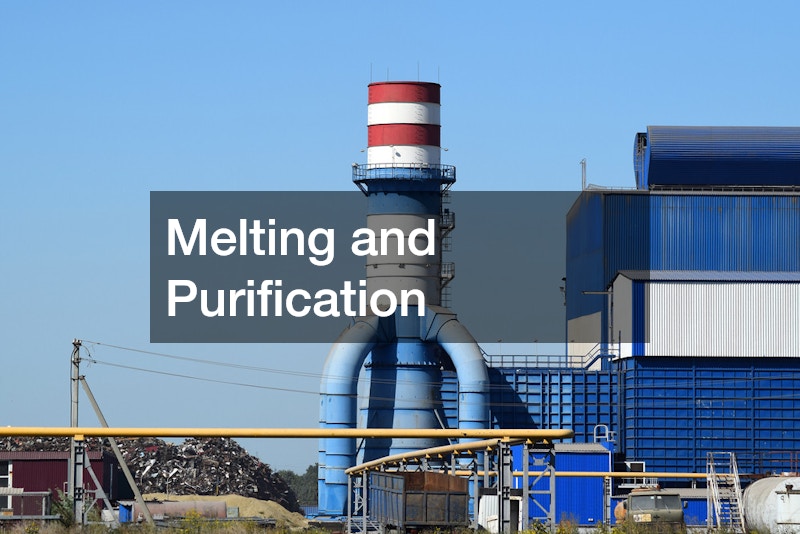
Once shredded or baled, the processed scrap is transported to specialized melting facilities or foundries. Each metal type is directed to a specific furnace designed for its unique melting point and chemical characteristics. For instance, aluminum melts at a relatively low temperature compared to steel, which requires extreme temperatures.
Melting requires substantial energy, but recycling metal consumes a fraction of the energy needed to extract and refine primary metal from raw virgin ore. Recycling aluminum, for example, saves a vast majority of the energy required to produce it from raw bauxite ore, while steel recycling offers major energy savings compared to steelmaking from iron ore.
During the melting stage, purification takes place to remove impurities and coatings. Melted metals undergo electrolysis, fluxing, or oxygen injection to separate contaminants, paints, and slag from the liquid pool. Slag, a floating byproduct of oxides and non-metallic impurities, is skimmed off the surface of the molten metal bath. Advanced refineries also introduce specific alloying elements during this stage to adjust the chemical composition, ensuring the recycled metal meets exact industrial grade standards.
Solidification and Final Distribution
After thorough purification, the liquid metal is tapped from the furnace and poured into molds to solidify. The shape of the final solid output depends on how the metal will be used in downstream manufacturing:
- Ingots: Large, heavy blocks of metal used for high-volume remelting in industrial foundries.
- Billets and Blooms: Long, rectangular or cylindrical bars that are subsequently rolled or extruded into structural beams, rods, or seamless pipes.
- Slabs: Flat, thick blocks of steel or aluminum designed to be rolled into thin metal sheets, coils, or automotive body panels.
Once cooled and solidified, these secondary raw materials are shipped to manufacturers around the world, completing the circular loop. Automobile manufacturers, construction companies, appliance makers, and beverage packaging firms purchase these recycled bars and sheets to produce brand-new products.
Collaborating with established metal recycling services allows industrial manufacturers and local communities to keep scrap metal circulating within the economy rather than losing it to disposal sites. By maintaining a steady stream of secondary raw materials, metal recycling services help lower greenhouse gas emissions, preserve finite mineral reserves, and build a sustainable manufacturing ecosystem for future generations.
